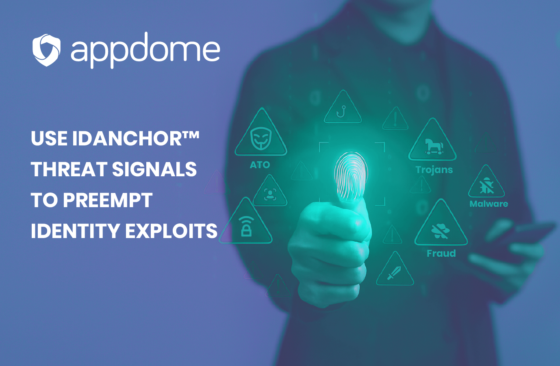

Use IDAnchor™ Threat Signals to Preempt Identity Exploits
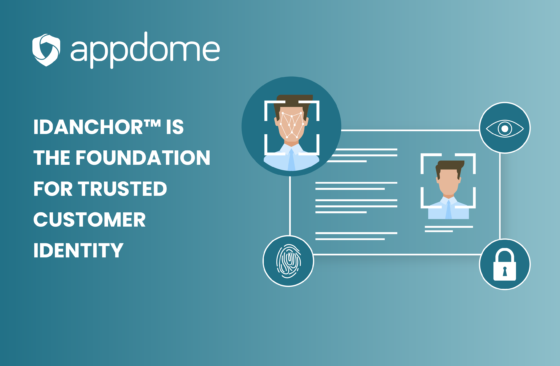
In earlier posts, we defined Customer Identity Protection (CIP) and shared why IDAnchor™ is the foundation of Trusted Customer Identity in mobile apps. Now, let’s turn to the need…
The Appdome Dev+Sec blog is your source for expert insights on protecting your mobile business. We break down the most pressing issues facing mobile businesses including: AI-powered fraud, and API abuse and bot attacks, device binding, security and compliance, and threat telemetry and devops and compliance issues.
Whether you’re a CISO, product owner, app developer, or mobile security leader, this blog is built to empower your team with the knowledge to stay ahead of threats—and the tools to act instantly.
Protect your mobile business. Defend what matters. Evolve faster than attackers.

In earlier posts, we defined Customer Identity Protection (CIP) and shared why IDAnchor™ is the foundation of Trusted Customer Identity in mobile apps. Now, let’s turn to the need…

Customer Identity Protection (CIP) is a perimeter defense layer for Customer Identity and Access Management (CIAM), Identity Verification (IDV), and other systems used in mobile applications. CIP establishes a chain of trust from the publisher to the mobile app instance, device, and end user and monitors the mobile environment for threats that undermine customer identity in apps.

Summary: Quantum computing poses a looming challenge to today’s encryption standards, especially for mobile apps that rely on asymmetric key exchange to secure user data. Threat actors can potentially…

Barclays says that credential stuffing remains a major mobile banking risk in 2022. Here are 5 easy steps mobile developers and security professionals can take to prevent a mobile credential stuffing attack in banking apps.

Banking Trojans are no longer just malware—they’re the engine behind today’s most dangerous, AI-driven mobile fraud campaigns. In 2025, mobile Trojans are responsible for more account takeovers, financial losses,…

In 2025, deepfakes have gone mobile—and brands with consumer-facing apps are on the front lines. From fake video support agents impersonating bank employees to synthetic voice bots authorizing fraudulent…

Mobile apps may be global, but not all users—or locations—should be treated the same. From regulatory enforcement to fraud control, user geography plays a vital role in mobile risk…

Social engineering has become one of the most dangerous and effective attack methods in mobile apps. Unlike traditional attacks that exploit code or infrastructure, social engineering targets people—using deception,…

Just two years ago, most mobile businesses focused on basic data protection threats—like jailbreak and root detection. That was the extent of the conversation. Today, the threat landscape has…

When we think of digital pipelines, we often think of developers, not defenders. However, in the age of AI, threats are evolving much faster than ever. Now more than…

Apple’s AirPlay protocol, recently found to have 23 critical vulnerabilities, is putting enterprise environments at risk in ways few companies are prepared to handle. While Apple’s patching efforts are underway, the issue goes deeper—especially…

A recent Cybernews investigation revealed that over 71% of iOS apps leak hardcoded secrets, exposing mobile users and businesses to significant security risks. These embedded credentials – API keys,…
Have a Security Project?
We Can Help!