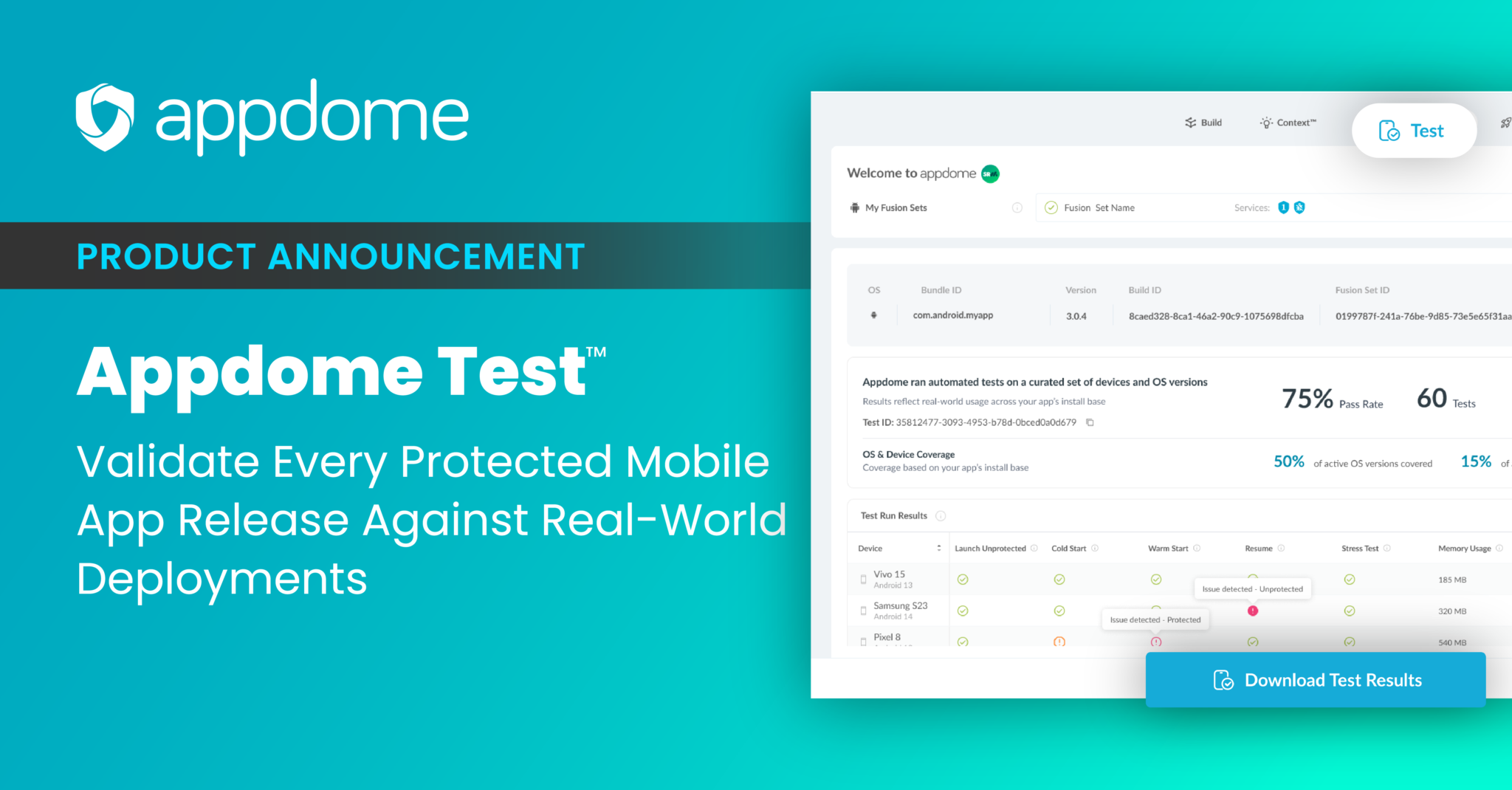
New capability matches test devices and operating systems to each brand’s actual install base, testing every release against real-world conditions, not a generic device bank.
REDWOOD CITY, Calif – August 2nd, 2026 — Appdome, the agentic platform for protecting mobile brands and businesses at scale, today introduced Appdome Test™, a new capability that validates protected mobile applications on the devices and operating system versions their own customers actually use. Appdome Test runs inside the Appdome workflow between Sign and Deploy, giving development, DevOps, DevSecOps, and cyber teams a continuous way to verify each protected release before it reaches production.
“We’re leveraging our production and device identity data to provide a more valuable test experience to mobile brands, Adding security earlier in the SDLC is the start. To really shift left, you also have to test each time you commit security code into the CI/CD pipeline.” Tom Tovar, Co-Creator and CEO of Appdome.
Most mobile testing begins with a generic device bank, leaving brands to decide which devices and operating systems matter and manually map coverage to their user base. Secured builds are also frequently exported to separate test infrastructure, disconnecting validation from both the protection workflow and the production data needed to make the test relevant.
Appdome Test closes both gaps. It uses production deployment and device identity data already available in Appdome ThreatScope™ to provision tests that reflect each customer’s actual install base, then runs those tests in the same Appdome pipeline where the application was protected and signed. Each security implementation can be verified under relevant real-world conditions before the release moves to Deploy.
Tested in the Same Pipeline Where It Was Protected
Validating a secured mobile build has often required exporting it to separate test infrastructure, handing it to another provider, or coordinating an additional engineering cycle. Those handoffs add time and separate testing from the production context that makes the results meaningful.
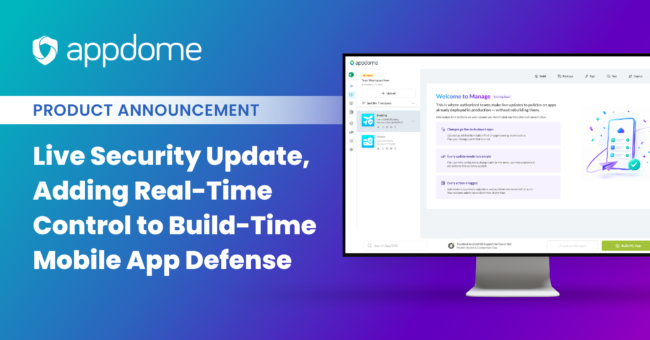
Appdome Test adds testing directly to the Build → Sign → Test → Deploy lifecycle. Organizations can build, protect, sign, validate, certify, and release mobile applications through one connected workflow, without standing up a separate device lab or recreating deployment context in another system.
“The goal of Appdome Test is to eliminate manual steps and create context for agentic learning. To support an agentic pipeline, Appdome Test allows brands to delegate testing handoffs, scopes, and reporting to agentic systems that have access to data and learn for each process.” Gil Hartman, Field CTO
Testing Is No Longer Only an Engineering Function
Verifying a secured build against real deployment conditions has historically been an engineering function. Appdome Test expands participation in release validation by enabling authorized cyber and platform teams to request and review tests for the security implementations they introduce into the delivery pipeline.
This brings engineering-grade commit discipline to mobile cyber. Instead of stopping at policy selection or vulnerability review, cyber teams can help demonstrate that the protected application behaves as expected before release, without replacing engineering processes or creating an isolated security workflow.
“Replicating the mobile environment for accurate application testing is one of the biggest challenges in mobile app development,” said Eric Newcomer, Principal Analyst at Intellyx. “Testing for all combinations of operating system and device is expensive and time consuming, especially for Android devices. Appdome Test cuts the cost of external simulation and improves overall results.”
What Appdome Test Verifies
Across the matched device set, the initial release supports standard mobile application tests, including:
- First Launch: Fresh-install and first-run behavior, including permissions, onboarding, and login.
- Warm Start: State restoration, interface rehydration, and session continuity when the app returns from the background.
- Stress Test: Repeated termination and relaunch to observe stability from a killed state.
- Reinstall Lifecycle: Clean-state initialization across deletion, reinstallation, and launch.
- Upgrade / Update: Data migration, session continuity, and backward compatibility between app versions.
- Simulated Threats: Customized workflows and responses to Threat-Events™ without compromising a QA device.
Each run provides device-level observations and metrics such as launch timing and memory use. Appdome Test can also compare protected and unprotected executions, helping teams determine whether an observed issue originates in the application or in an applied protection.
Connected to the Existing Security Record
Appdome Test results are attached to each build’s Certified Secure™ record and published to Appdome Vault™ Compliance Center. This connects validation to the existing record of how the application was protected, creating durable evidence that the protected release was tested before deployment rather than producing a disconnected test report.
Built for an AI-Accelerated Delivery Model
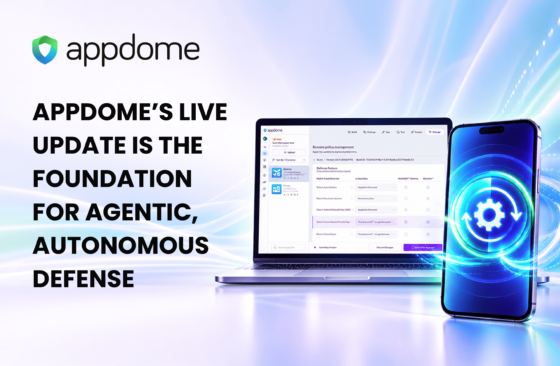
Appdome Test is designed to supply the context and repeatability an agentic delivery pipeline requires. Device selection, test scope, workflow handoffs, and reporting can be driven by the customer’s own deployment data and connected to the record for each protected build. This allows organizations to automate more of the validation process without relying on a generic test plan or losing visibility into what was tested, where it was tested, and how the protected application behaved.
Availability
Appdome Test will be demonstrated at Black Hat USA 2026 in Las Vegas. To learn more, visit Appdome.com
About Appdome
Appdome is the agentic platform that protects mobile brands and businesses at scale. The Appdome platform enables organizations to add and manage more than 400 mobile app security, anti-fraud, anti-malware, bot defense, API protection, and other defenses in Android and iOS apps without SDKs or manual coding. Appdome supports the mobile app lifecycle from build and validation through deployment, operation, and continuous improvement. Learn more at appdome.com.